Follow Us


 Podcasts
Catch the latest PR news & updates with PRovoke Media's PR Podcasts. Lifting the lid on key industry stories & trends, join our listeners of PR podcasts today.
 Videos
Latest video interviews and campaigns from PRovoke Media, previously known as the Holmes Report.
 Premium Content
Long-form journalism that analyzes the issues, challenges and opportunities facing the business and practice of PR.
 Profiles & Interviews
Explore PR profiles and interviews with leaders from the marketing and PR worlds.
 Crisis Review
PR Crisis & Business Crisis review. PRovoke Media's annual analysis of the top reputation crises to rock the corporate sector. Read on here.
 Coronavirus
PRovoke Media's coverage of the Covid-19 crisis, focusing on corporate communication, public affairs & PR industry fallout.
 Trend Forecasts
PRovoke Media's PR Trends round up. PRovoke Media's annual forecast of PR trends and news that will impact the PR world in the year ahead...
 Social & Digital
Dedicated to exploring the new frontiers of PR as it dives deeper into social media, content and analytics.
 Technology
Our coverage of key technology PR trends and challenges from around the world of digital communications.
 Consumer
From brand marketing to conscious consumerism, coverage of key marketing and PR trends worldwide.
 Employee Engagement
PRovoke Media's coverage, analysis and news around the rapidly-shifting area of employee engagement and internal communications.
 Sports Marketing
 Sports PR news, diversity & inclusion trends, views and analysis from PRovoke Media. Subscribe today for the very latest in the world of sports communications.
 Global PR Agency Rankings
PRovoke Media's definitive global benchmark of global PR agency size and growth.
 Agencies of the Year
PRovoke Media's annual selections for PR Agencies of the Year, across all of the world's major markets.
 Innovator 25
PRovoke Media profiles marcomms innovators from across North America, EMEA and Asia-Pac.
 Creativity in PR
In-depth annual research into the PR industry's efforts to raise creative standards.
 Asia-Pacific Communication Index
APACD/Ruder Finn annual study of Asia-Pacific in-house communications professionals.
 SABRE Awards
The world's biggest PR awards programme, dedicated to benchmarking the best PR work from across the globe.
 PRovokeSummit Global
The biggest PR conference of the year, a high-level forum designed to address the critical issues that matter most.
 PRovoke Media Regional Series
A global network of conferences that explore the innovation and disruption that is redefining public relations.
 Agencies of the Year
Unrivalled insight into the world's best PR agencies, across specialist and geographic categories.
 Roundtables
Our Roundtables bring together in-house comms leaders with PR firms to examine the future of communications.
 Agency Playbook
The PR industry’s most comprehensive listing of firms from every region and specialty
.jpg) All Jobs
All JobsFind the latest global PR and communications jobs from PRovoke Media. From internships to account executives or directors. See all our PR jobs here.
Insights: Demographics & Background | Insights: Teams, Budgets, Agencies | Insights: Future Challenges, AI, Diversity & ESG | Methodology | Crossover Stars | Rising Stars | Showcase: Campaign Picks
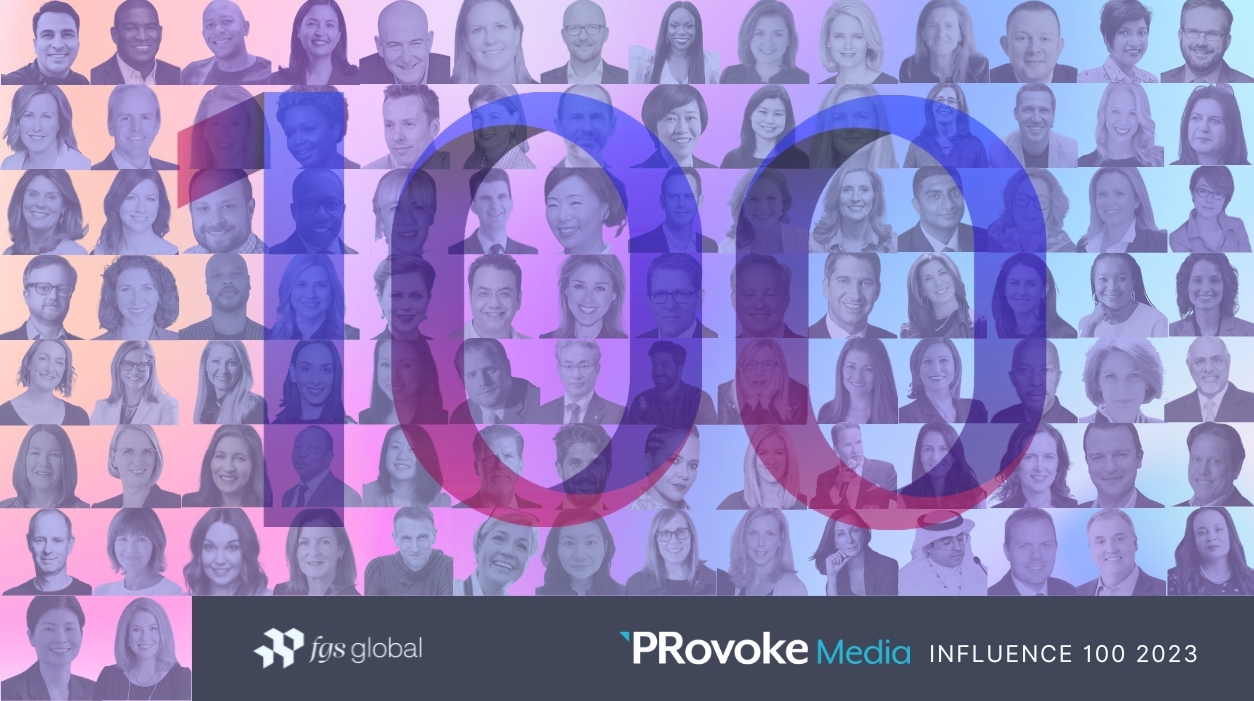
Against the “permacrisis” backdrop of major geopolitical, economic, societal, cultural and environmental upheaval around the world, corporations and brands continue to face intense consumer, media and stakeholder scrutiny. And their senior communications and marketing executives are expected to deliver more than ever, faster than ever. Meanwhile, smart CEOs recognise that trusted communications counsel is not only integral to reputation and transformation, but is business-critical in such uncertain times — and the 100 names on our 2023 list provide ample evidence of this recognition.
Read more about the methodology used to identify the Influence 100 here.
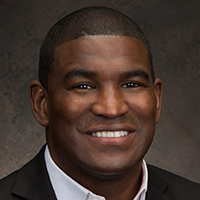
 Beatriz Perez




Intelligence and insight from across the PR world.
About PRovoke Media Contact Us Privacy & Cookie PolicyWe feel that the views of the reader are as important as the views of the writer. Please contact us at [email protected]
Signup For Our Newsletter Media Kits/Editorial Calendar Jobs Postings A-Z News Sitemap© Holmes Report LLC 2024